












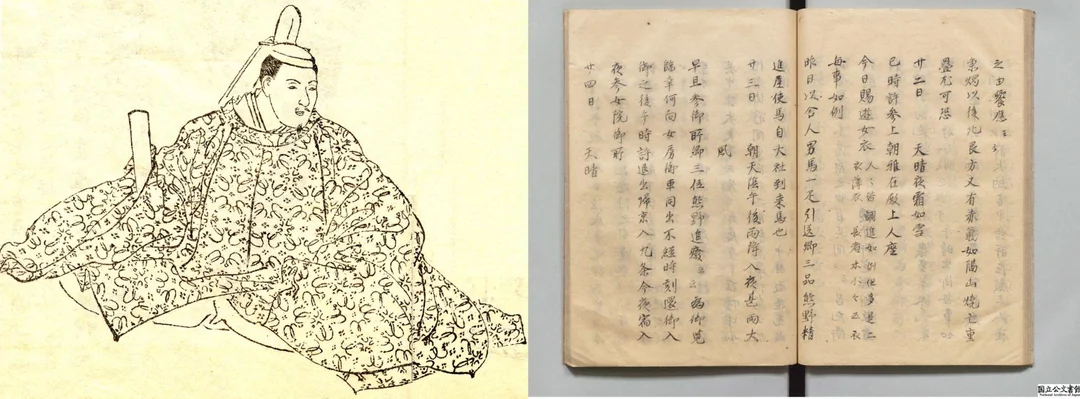
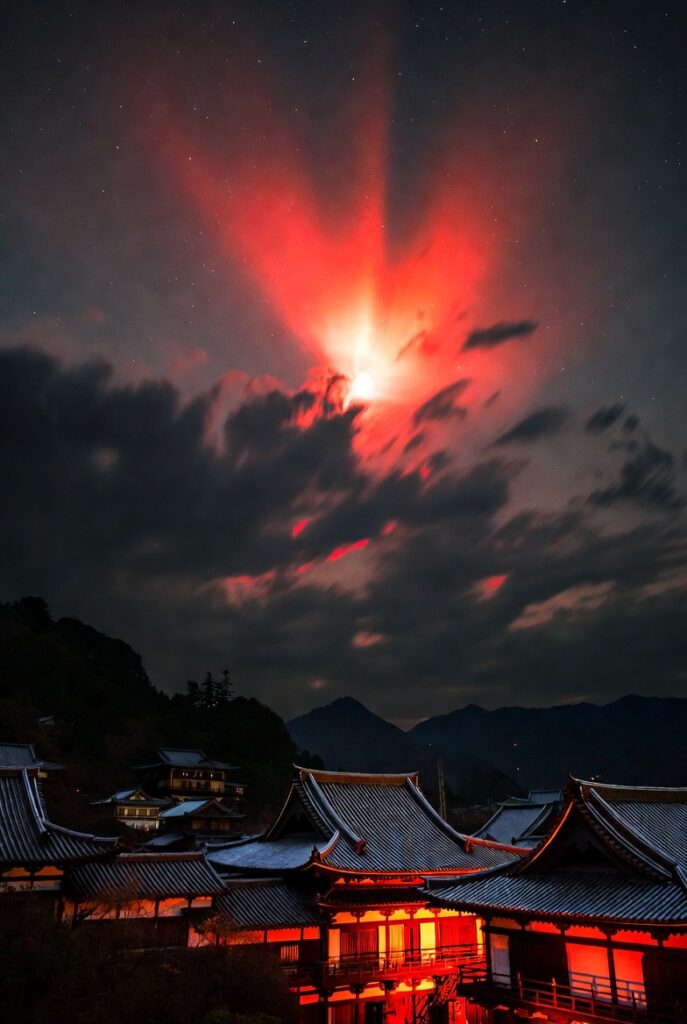
In the year 1204, a Japanese poet described an extraordinary sight in his diary: the night sky glowed a deep blood-red color for three consecutive nights. At the time, the phenomenon was mysterious and likely frightening to those who witnessed it. For centuries, the account remained little more than a curious historical record.
Modern scientists, however, have uncovered evidence that may explain the event. By studying the growth rings of ancient buried trees, researchers discovered signs of an intense burst of solar activity around the same period. These tree rings contain traces of radioactive carbon produced when powerful solar storms bombard Earth’s atmosphere, providing a natural record of space weather from centuries ago.
The findings suggest that the poet may have witnessed one of the most powerful solar storms in recorded history, strong enough to create spectacular red auroras visible far from the poles. If a similar event occurred today, experts believe it could disrupt satellites, communication networks, navigation systems, and electrical grids worldwide. What was once considered an ancient mystery is now viewed as a reminder of the Sun’s ability to impact modern civilization in dramatic ways.