














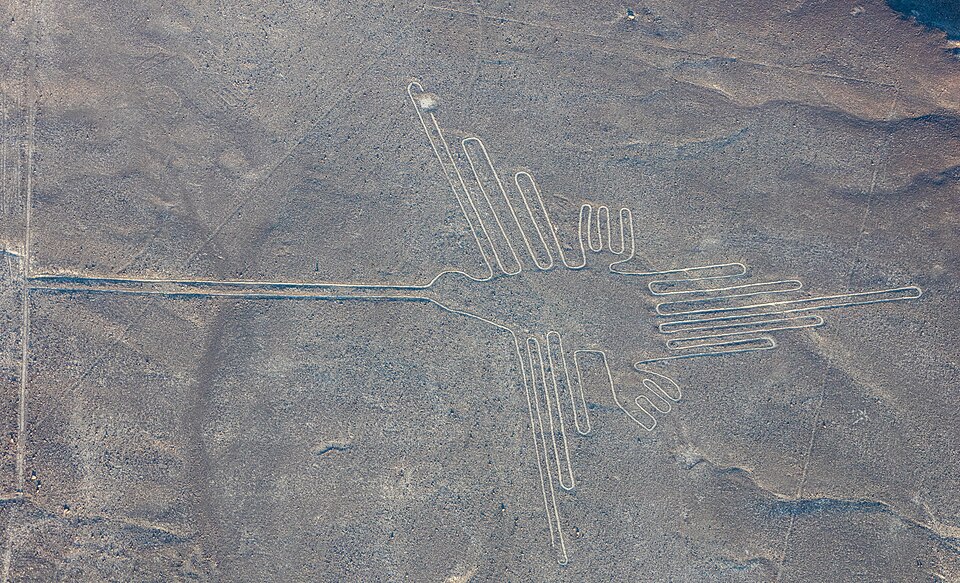
Few ideas have captured popular imagination quite like the ancient astronaut theory — the claim that extraterrestrial beings visited Earth in antiquity and were recorded in ancient texts and art as gods, angels, or supernatural beings. Popularized by Erich von Däniken’s 1968 book Chariots of the Gods and later by television series like Ancient Aliens, the theory points to structures like the Egyptian pyramids, the Nazca lines, and Sumerian cylinder seals as evidence of advanced non-human intervention in human history.
The theory’s appeal is understandable. Ancient monuments are genuinely impressive, and some of the imagery found in ancient art is strange and open to interpretation. Ezekiel’s wheel, the Palenque sarcophagus lid, the Dogon people’s astronomical knowledge — these are real things that spark real curiosity. The problem, according to mainstream archaeologists and historians, is that the ancient astronaut interpretation consistently underestimates what ancient humans were capable of and cherry-picks evidence while ignoring vast amounts of contradictory data.
Archaeologists have documented, in painstaking detail, the tools, labor organization, and engineering techniques used to build structures like the pyramids. The Nazca lines, far from requiring aerial guidance to construct, can be recreated with simple tools and a basic understanding of geometry. What the ancient astronaut theory ultimately reveals, critics argue, is less about aliens and more about a modern discomfort with crediting ancient, often non-Western civilizations with intellectual and technical sophistication. Still, as long as there are mysteries in the ancient world — and there always will be — the theory will find an audience.