





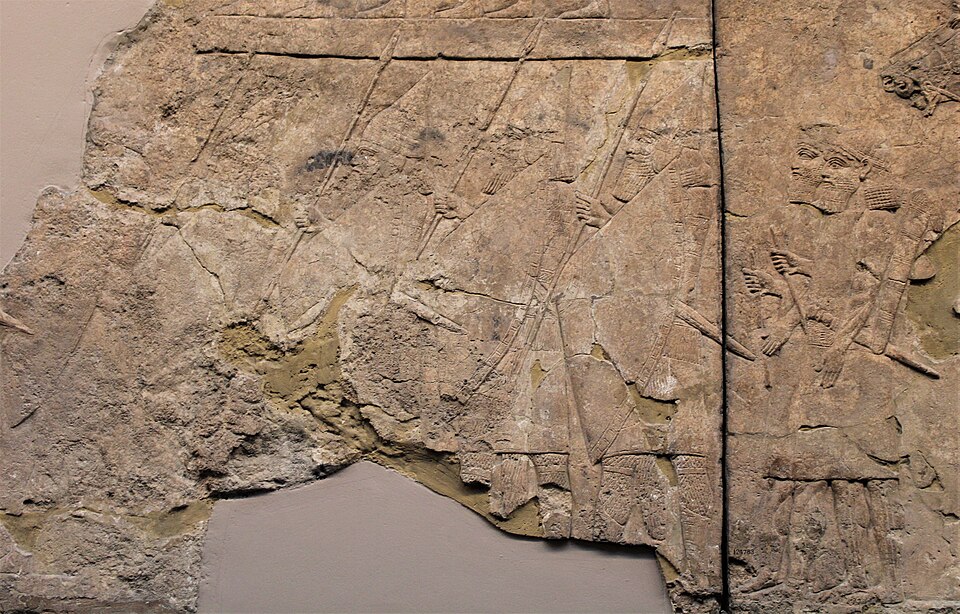
For nearly 2,700 years, the location of one of the Bible’s most dramatic battle scenes has been a mystery. Now an independent scholar says he’s pinpointed it: the camp where, according to 2 Kings 19:35, “the angel of the Lord went out, and smote in the camp of the Assyrians a hundred fourscore and five thousand” — 185,000 soldiers — in a single night.
The Siege Behind the Story
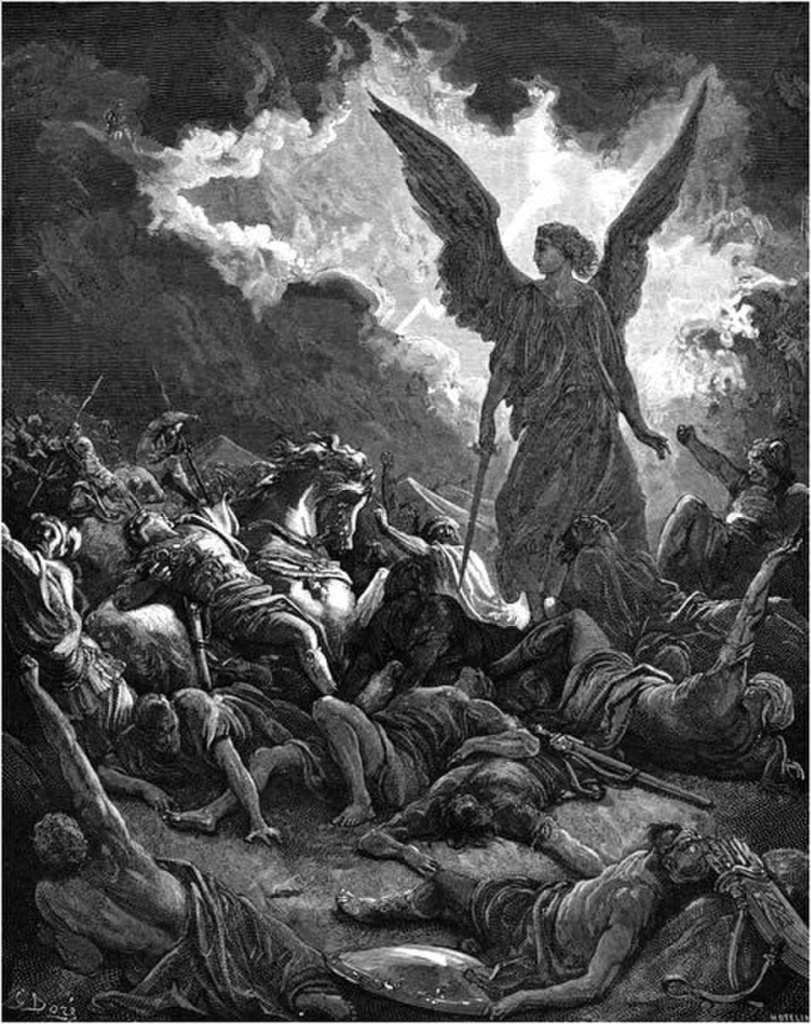
Around 701 BC, the Assyrian king Sennacherib marched into the kingdom of Judah to crush a rebellion against his empire. His armies besieged Jerusalem, ruled at the time by King Hezekiah. The story appears not once but three times in the Bible — in 2 Kings, 2 Chronicles, and Isaiah — and has inspired centuries of art and literature, including paintings by Peter Paul Rubens and Gustave Doré and a poem by Lord Byron.
Ancient sources outside the Bible describe the same campaign with different endings. The Babylonian historian Berossus wrote that a plague tore through the Assyrian camp. The Greek historian Herodotus told a stranger version: he claimed mice swarmed the camp overnight and chewed through the soldiers’ bowstrings and shield straps, leaving them defenseless by morning.
How the Camp Was Found
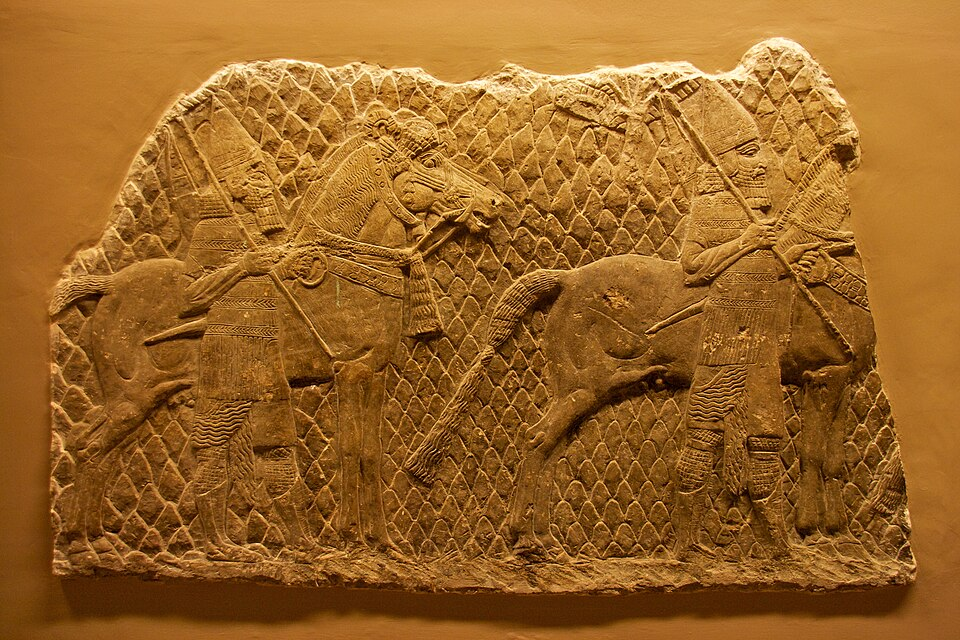
The breakthrough came from a stone carving on the wall of Sennacherib’s own palace, now housed in the British Museum. The relief depicts one of his fortified siege camps near Lachish, a city south of Jerusalem, complete with 24 guard towers.
Stephen Compton, an independent researcher specializing in Near Eastern archaeology, compared the layout in that carving to early aerial photographs of Lachish taken before modern development changed the landscape. The match allowed him to build a virtual map pinpointing the camp’s real-world location — an oval-shaped walled structure, a layout distinct from the rectangular camps the Romans built centuries later in the same region.
Using the same method, Compton then searched for a similar oval site near Jerusalem. He found one on a hill now known as Ammunition Hill, just north of the old city. Tellingly, the site had long carried an Arabic name tied to its past: Jebel el Mudawwara, or “the Mountain of the Camp of the Invading Ruler.” A previous archaeological survey had noted the ruin but assumed it was Roman; Compton argues its oval shape — and the name itself — point to Sennacherib instead.
What the Evidence Shows
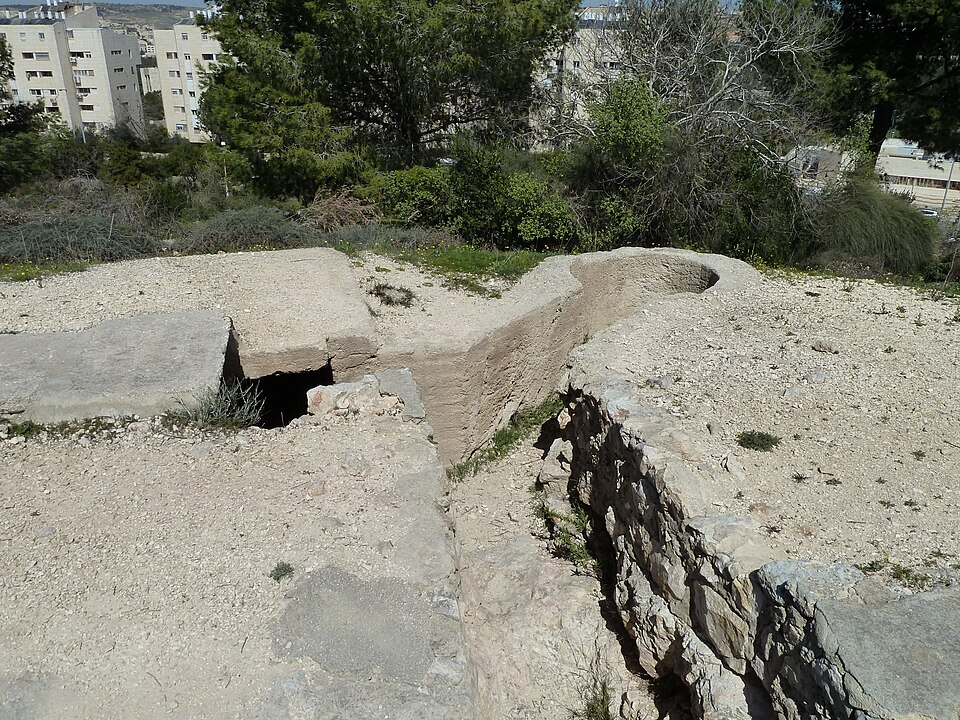
Pottery fragments recovered from the site date to the eighth century BC, matching the time of Sennacherib’s campaign, with no signs of occupation before or after — consistent with a military camp used briefly and then abandoned. Compton published the findings in a peer-reviewed paper, “The Trail of Sennacherib’s Siege Camps,” in the journal Near Eastern Archaeology in 2024.
Beyond the Jerusalem camp, Compton says the same approach helped him locate two other long-lost biblical sites tied to Sennacherib’s campaign: the cities of Libnah and Nob, the latter described in 1 Samuel as a “city of priests” that held the tabernacle before the construction of the Temple.
Compton has said he hopes the discovery will draw the attention of a full archaeological excavation team, which could dig deeper into the site and confirm what, exactly, happened on that hill outside Jerusalem some 2,700 years ago.